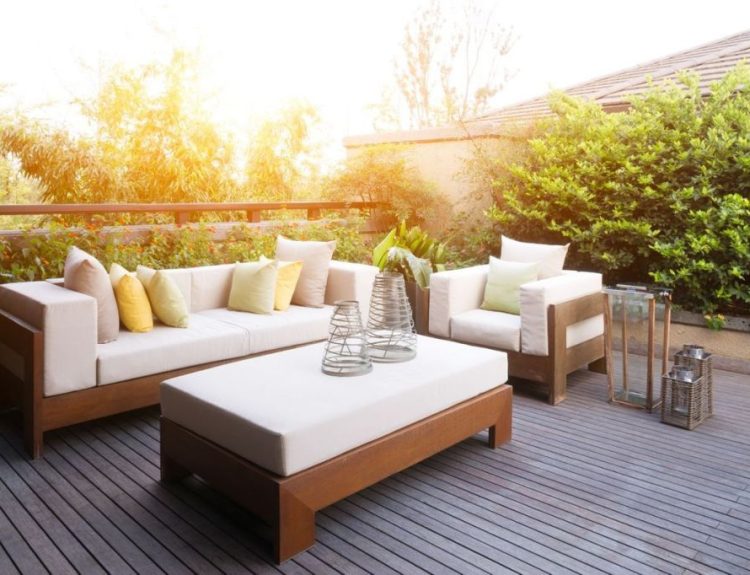
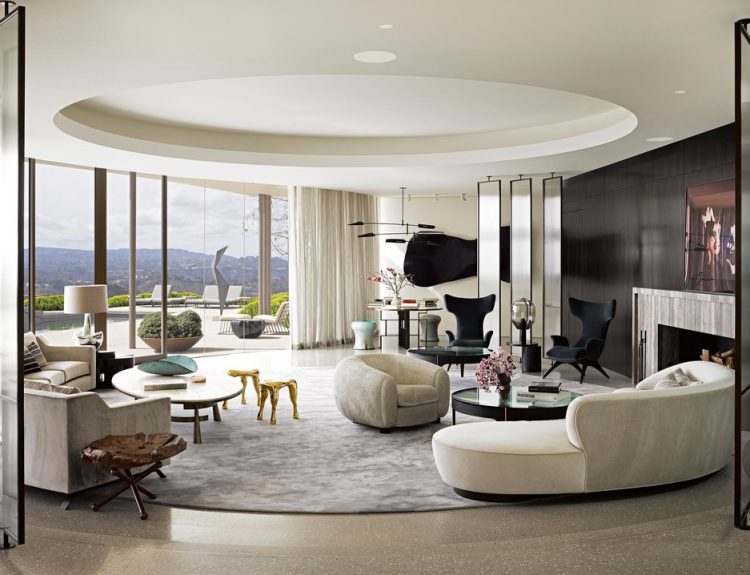
A home is far more than walls and a roof. It is a personal sanctuary, a reflection of identity, and a space where everyday life unfolds. Whether it’s a compact apartment in the city or a quiet house in the countryside, home shapes comfort, habits, and emotional well-being.
The Meaning of Home
At its core, home represents safety, belonging, and stability. It’s where routines develop, memories are created, and personal values take physical form through design and daily use.
For many people, home is also a sense of continuity. Even as locations change, the feeling of home is carried through familiar objects, rituals, and relationships.
Key Elements That Define a Home
A functional and welcoming home usually balances practicality with emotion. Several elements work together to create that balance.
Comfort and Livability
Comfort is the foundation of any good home. This includes:
- Ergonomic furniture that supports daily activities
- Adequate lighting, both natural and artificial
- Climate control for seasonal comfort
When these needs are met, a home becomes easy to live in rather than stressful.
Personal Expression
Homes often reflect the personality of the people living in them. This can be seen through:
- Color choices and décor styles
- Artwork, books, and personal collections
- Layout decisions that match lifestyle needs
Personal expression turns a house into a lived-in, meaningful space.
Functionality and Flow
A well-designed home supports movement and daily routines without friction.
- Clear separation between private and shared spaces
- Efficient storage to reduce clutter
- Logical placement of rooms based on usage
Good flow improves both productivity and relaxation.
Different Types of Homes
Homes come in many forms, shaped by geography, culture, and lifestyle.
Apartments and Condos
Ideal for urban living, these homes often emphasize:
- Space efficiency
- Proximity to work and amenities
- Low exterior maintenance
Single-Family Houses
These homes offer more privacy and flexibility, often featuring:
- Outdoor spaces like gardens or yards
- Multiple floors or rooms
- Greater freedom for customization
Alternative Living Spaces
Modern lifestyles have expanded the idea of home to include:
- Tiny houses
- Modular homes
- Converted spaces such as lofts or studios
Each option reflects changing priorities around mobility, sustainability, and cost.
The Emotional Impact of Home
A supportive home environment can significantly affect mental and emotional health.
- Calm spaces help reduce stress
- Organized surroundings improve focus
- Familiar environments provide emotional grounding
When a home aligns with personal needs, it becomes a source of daily renewal.
Creating a Better Home Environment
Improving a home doesn’t always require major renovations. Small, thoughtful changes often make the biggest difference.
- Decluttering to open up space
- Adding plants for a natural, calming effect
- Adjusting lighting to suit different moods and tasks
- Rearranging furniture to improve flow
These steps can refresh a space and improve how it feels to live in it.
Home in a Changing World
The concept of home continues to evolve. Remote work, smart technology, and sustainability concerns are reshaping how homes are designed and used. Today’s homes often serve multiple purposes, functioning as living spaces, offices, and places of rest all at once.
Frequently Asked Questions
What makes a house feel like a home?
Emotional connection, personal belongings, comfort, and a sense of safety transform a physical structure into a home.
How can I make my home feel more comfortable without spending much?
Simple actions like decluttering, improving lighting, and rearranging furniture can greatly enhance comfort at little to no cost.
Why is home important for mental well-being?
A stable and supportive home environment reduces stress, provides routine, and offers a place to recharge emotionally.
How does interior design influence daily life at home?
Design affects mood, productivity, and relaxation by shaping how space is used and experienced.
Can a home change as life circumstances change?
Yes, homes often evolve through reorganization, redesign, or relocation to meet new personal or family needs.
What role does sustainability play in modern homes?
Sustainability influences energy use, materials, and long-term efficiency, making homes healthier and more cost-effective.
Is it possible to feel at home anywhere?
Many people develop a sense of home through routines, relationships, and familiar objects, regardless of location.