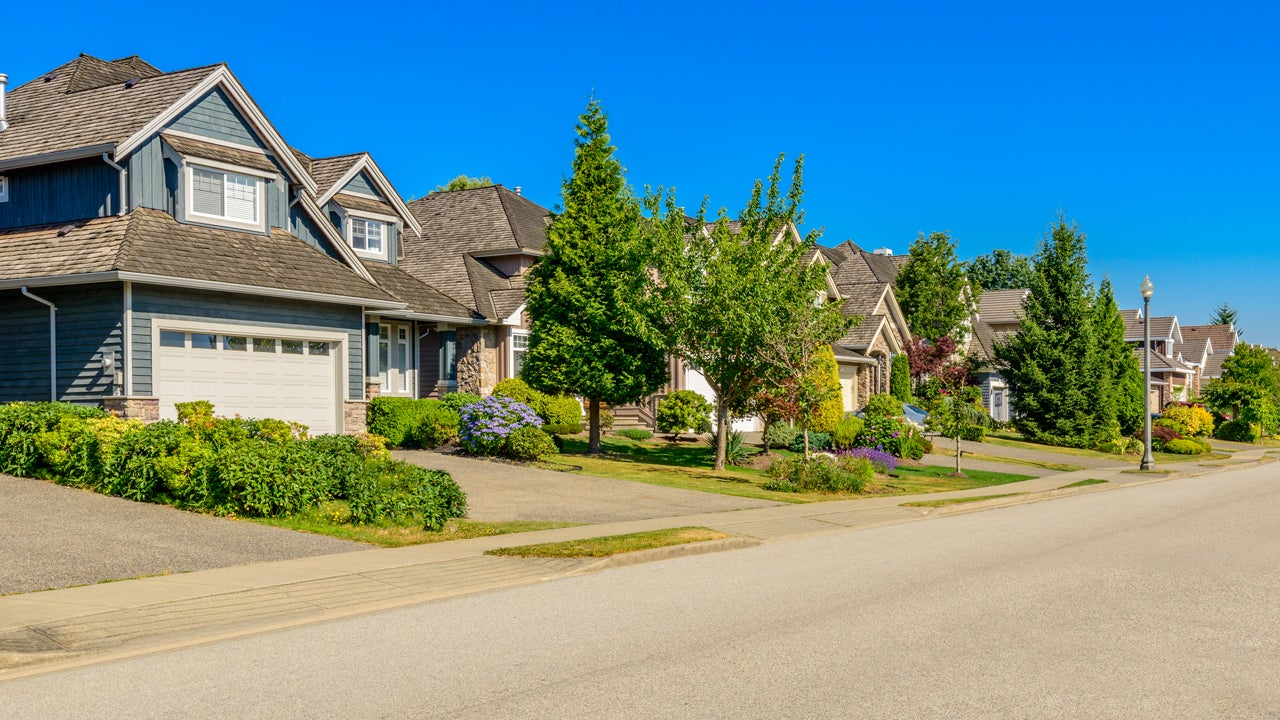
Real estate is one of the most influential sectors of the global economy, shaping how people live, work, and invest. Whether you are buying a home, selling property, or exploring long-term investments, understanding how real estate works can help you make smarter, more confident decisions.
This article explains real estate in clear, practical terms, covering its types, key market drivers, and how individuals can approach it strategically.
What Is Real Estate?
Real estate refers to land and any permanent structures attached to it, such as houses, apartment buildings, offices, or warehouses. Unlike movable assets, real estate is fixed in location, which gives it unique value tied to geography, infrastructure, and demand.
At its core, real estate serves two main purposes:
-
Shelter and utility for individuals and businesses
-
Wealth creation through ownership, leasing, or development
Major Types of Real Estate
Understanding property categories is essential before entering the market.
Residential Real Estate
This includes properties designed for living purposes. Common examples are:
-
Single-family homes
-
Condominiums and apartments
-
Townhouses and duplexes
Residential real estate is often driven by population growth, employment trends, and interest rates.
Commercial Real Estate
Commercial properties are used for business activities and income generation, such as:
-
Office buildings
-
Retail spaces and shopping centers
-
Hotels and mixed-use developments
These assets typically rely on long-term leases and business performance.
Industrial Real Estate
Industrial real estate supports manufacturing and logistics, including:
-
Warehouses and distribution centers
-
Factories and production facilities
-
Data centers
Demand in this sector has increased significantly with the rise of e-commerce.
Land
Land refers to undeveloped or vacant property. It may be used for:
-
Agricultural purposes
-
Future residential or commercial development
-
Long-term speculation
Land value depends heavily on zoning laws and development potential.
How the Real Estate Market Works
The real estate market operates on supply and demand, but several factors influence pricing and activity.
Key Market Drivers
-
Interest rates: Lower rates increase affordability and buyer demand
-
Economic conditions: Job growth and wage stability boost housing demand
-
Location: Proximity to schools, transport, and amenities impacts value
-
Government policies: Taxes, incentives, and zoning regulations play a major role
Markets move in cycles, often shifting between growth, stability, and correction phases.
Buying Real Estate: What to Consider
Purchasing property is a major financial decision. Buyers should focus on both short-term affordability and long-term value.
Important Factors for Buyers
-
Budget and financing options
-
Neighborhood trends and future development plans
-
Property condition and maintenance costs
-
Resale potential and market liquidity
A well-researched purchase can provide stability and equity growth over time.
Real Estate as an Investment
Real estate is widely viewed as a reliable investment due to its tangible nature and income potential.
Common Investment Strategies
-
Rental properties: Generate monthly cash flow
-
Property appreciation: Benefit from long-term value growth
-
Fix-and-flip projects: Buy, renovate, and sell for profit
-
Real estate investment trusts (REITs): Gain exposure without direct ownership
Each strategy carries different levels of risk, capital requirements, and involvement.
Risks and Challenges in Real Estate
While real estate offers many benefits, it is not risk-free.
Potential Challenges
-
Market downturns and price volatility
-
High upfront costs and limited liquidity
-
Ongoing expenses such as taxes, insurance, and repairs
-
Regulatory and legal complexities
Successful investors manage risk through diversification, research, and long-term planning.
The Future of Real Estate
The real estate industry continues to evolve with technology and changing lifestyles. Trends such as smart homes, remote work, and sustainable development are reshaping demand patterns.
Digital platforms, data-driven pricing, and virtual property tours are also improving transparency and efficiency across the market.
Frequently Asked Questions (FAQs)
1. Is real estate a good investment for beginners?
Yes, real estate can be suitable for beginners if they start with thorough research, realistic budgeting, and a long-term mindset.
2. How does location affect property value?
Location influences access to jobs, schools, transport, and amenities, all of which directly impact demand and pricing.
3. What is the difference between cash flow and appreciation?
Cash flow is the income generated from rent, while appreciation refers to the increase in property value over time.
4. Are real estate prices always rising?
No, real estate markets are cyclical and can experience periods of stagnation or decline depending on economic conditions.
5. How much money is needed to invest in real estate?
The amount varies widely based on location, property type, and financing, but entry costs can be reduced through loans or partnerships.
6. What role do interest rates play in real estate?
Interest rates affect borrowing costs and affordability, influencing both buyer demand and overall market activity.
7. Can real estate help protect against inflation?
Often, yes. Property values and rental income tend to rise over time, which can help offset inflation’s impact.