Categories Home

Home: The Foundation of Everyday Life

A home is not simply a physical structure; it is the center of daily life, comfort, and personal identity. It is where people rest, grow, and find balance after the demands of the outside world. Regardless of size or location, a home carries emotional value that goes far beyond its appearance.

Understanding What Home Truly Means

Home is closely tied to feelings of security, familiarity, and belonging. It provides a stable environment where routines are formed and memories are created. Over time, this sense of familiarity builds emotional attachment, making home a place of reassurance and peace.

For many, home also represents independence and self-expression, reflecting personal choices and lifestyle preferences.

Core Features of a Good Home

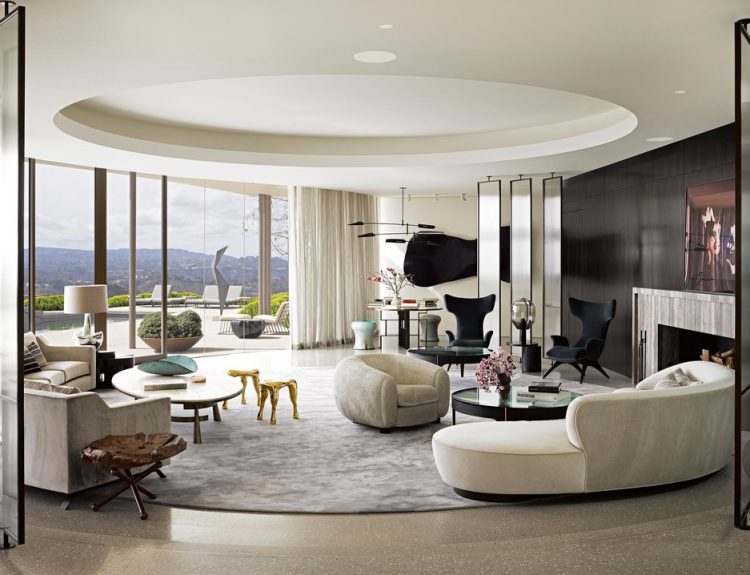
A well-rounded home blends comfort, functionality, and personal style. Each element contributes to an environment that supports daily living.

Comfort and Well-Being

Comfort plays a crucial role in how a home feels. Important factors include:

  • Proper ventilation and natural light

  • Comfortable seating and sleeping areas

  • Quiet spaces for rest and relaxation

When these elements align, a home becomes a place of renewal rather than stress.

Functionality and Practical Design

A functional home supports daily activities with ease.

  • Logical room layouts

  • Sufficient storage solutions

  • Efficient use of available space

Practical design reduces clutter and makes everyday tasks more manageable.

Personal Style and Identity

Every home tells a story about the people who live there. Personal touches may include:

  • Decorative accents and color schemes

  • Family photos or meaningful objects

  • Furniture arranged to suit individual routines

These details transform a generic space into a unique living environment.

Types of Homes and Living Spaces

Homes vary widely depending on lifestyle, location, and personal priorities.

Urban Living Spaces

Apartments and condominiums are popular in cities due to:

  • Convenience and accessibility

  • Lower maintenance responsibilities

  • Efficient use of limited space

Independent Houses

Standalone houses often provide:

  • Greater privacy

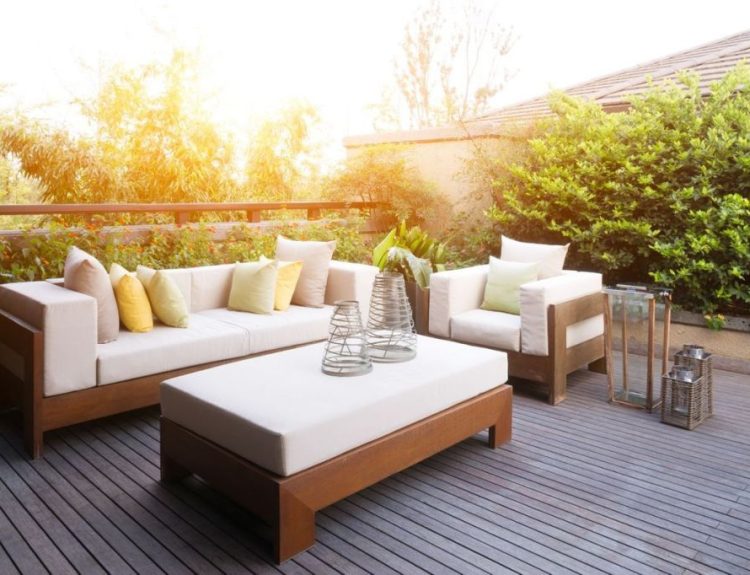
  • Outdoor areas such as gardens or patios

  • Flexibility for renovations and expansion

Modern and Alternative Homes

Changing lifestyles have introduced new housing concepts, including:

  • Tiny homes focused on minimal living

  • Modular homes designed for efficiency

  • Multi-purpose spaces that adapt to work and leisure

Each type reflects evolving needs and values.

The Emotional Role of Home

A supportive home environment positively influences emotional health. Organized, calm spaces can reduce anxiety and improve focus. Familiar surroundings also create a sense of control and stability, which is essential in a fast-changing world.

Home often becomes the place where people reconnect with themselves and with loved ones.

Enhancing the Home Experience

Improving a home doesn’t require major changes. Small adjustments can significantly improve comfort and mood.

  • Decluttering unused items

  • Introducing natural elements like plants

  • Improving lighting for different activities

  • Rearranging furniture to improve movement

These changes help create a more inviting and functional space.

The Evolving Concept of Home

Modern homes are adapting to new ways of living. Remote work, digital connectivity, and environmental awareness are reshaping how homes are designed and used. Today, a home often serves multiple purposes while still remaining a place of rest and comfort.

Frequently Asked Questions

What defines a home beyond its physical structure?

A home is defined by emotional connection, comfort, and the sense of belonging it provides.

How can I improve my home’s atmosphere easily?

Simple steps like better lighting, decluttering, and adding personal décor can make a noticeable difference.

Why is home important for emotional stability?

Home provides a safe and familiar environment that supports mental balance and emotional well-being.

Can a small space still feel like a comfortable home?

Yes, thoughtful design and efficient use of space can make even small homes feel welcoming and functional.

How does a home reflect personality?

Design choices, layout, and décor reflect individual tastes, habits, and lifestyle preferences.

What makes a home adaptable to changing needs?

Flexible layouts, multi-purpose furniture, and smart organization help homes evolve with life changes.

How is the idea of home changing today?

Homes are becoming more versatile, often combining living, working, and relaxing spaces into one environment.

Written By

More From Author

You May Also Like

Selecting Quality Furniture for Your Home: A Guide to Navigating Retail Options

Furnishing a home often begins as a series of individual decisions—selecting a sofa for the…

Outdoor Living Space Ideas With Patio Furniture From Naples FL Stores

Creating a beautiful and functional outdoor living space can transform your Naples home into a…

How Interior Design Firms in Los Angeles Are Shaping Modern Urban Living

Los Angeles has always been a city that defines trends rather than follows them. From…