Log cabins may seem like a nostalgic symbol of woodland retreats and countryside escapes, but their story stretches far beyond modern holiday homes and weekend getaways. From humble beginnings as practical shelters to their status today as charming rural sanctuaries, log cabins have a rich and fascinating history—one that spans continents, centuries, and cultures.
In the UK, the popularity of log cabins continues to grow, particularly as people seek a simpler, more sustainable lifestyle. But to truly appreciate their appeal, it’s worth looking back at where they began—and how they’ve evolved into the cosy, stylish spaces we know today.
Scandinavian Roots and European Craftsmanship
Although often associated with American frontier life, the origins of log cabins can be traced back to northern Europe, especially Scandinavia. For centuries, log construction was a staple of rural building in countries like Sweden, Norway, and Finland, where vast forests provided an abundant supply of straight, tall pine trees.
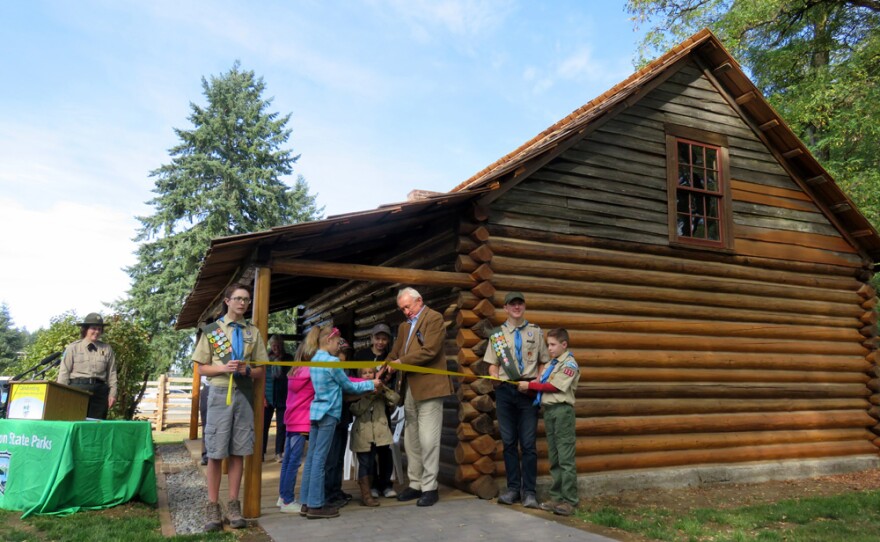
These early cabins were typically single-room structures built using interlocking, hand-hewn logs. Builders developed sophisticated joinery methods—like the saddle notch and dovetail corner joints—that didn’t require nails or metal fasteners. The timber was not just functional but insulating, making log homes particularly well-suited to harsh northern climates.
This building style gradually spread across Europe, with variations appearing in Germany, the Baltics, and eventually the British Isles. Though stone and brick were more common in the UK, timber-framed cottages and rustic garden huts owe much to the log cabin tradition.
The American Frontier and the Cabin Mythos
Log cabins truly entered the popular imagination during the colonisation of North America. European settlers—many of whom came from Scandinavia and Germany—brought their log-building skills to the New World. There, cabins became synonymous with pioneering spirit and self-sufficiency.
Built quickly using available materials, these early American log cabins were often simple shelters erected by families carving out a new life in remote areas. They were functional, durable, and symbolic of resilience. Over time, the image of the log cabin became deeply rooted in American identity, reinforced by historical figures like Abraham Lincoln, who famously grew up in one.
In reality, many of these early cabins were drafty and uncomfortable. Yet, the romance of the rustic homestead persisted. By the late 19th and early 20th centuries, log cabins were being reimagined as holiday lodges and hunting retreats for the wealthy—blending ruggedness with a touch of luxury.
The Revival of Log Cabins in the UK
Though not traditionally widespread across Britain, the log cabin gained popularity in the UK during the 20th century, particularly in the post-war period. As people began to value countryside holidays and rural living, timber cabins started appearing in holiday parks, private gardens, and even as full-time residences.
Today, log cabins in the UK are often used as garden offices, guest accommodations, glamping pods, or eco-friendly homes. Advances in construction techniques mean they can now be built to high standards of insulation, comfort, and longevity. Modern log cabins combine the rustic aesthetic with contemporary living—featuring underfloor heating, triple-glazed windows, and even smart home integration.
What was once a utilitarian shelter is now a symbol of leisure, tranquillity, and connection to nature.
Cultural and Symbolic Appeal
Why does the log cabin still hold such a strong place in our imaginations?
Part of its charm lies in its simplicity. The materials—natural wood, stone, and metal—create a tactile, earthy atmosphere. The structure itself feels timeless, rooted in tradition but adaptable to modern needs.
There’s also a sense of escape. For many in the UK, log cabins represent a break from urban life: a retreat where phones go quiet, schedules slow down, and mornings begin with birdsong instead of alarms. Whether it’s a hideaway in the Lake District or a family cabin in the Scottish Highlands, the appeal is universal.
From Survival to Sanctuary
The history of log cabins is ultimately a story of transformation. Once vital shelters built by settlers and craftsmen, they’ve evolved into sought-after sanctuaries that offer comfort, beauty, and a slower pace of life.
As more people in the UK look to downsize, live sustainably, or reconnect with nature, log cabins continue to meet that desire. Their enduring design, adaptability, and rich cultural legacy ensure they remain just as relevant today as they were centuries ago.
Next time you step into a log cabin—whether for a holiday, a weekend away, or everyday living—remember that you’re not just entering a building. You’re stepping into a legacy that spans continents and centuries, blending the past with the present in one timeless structure.